
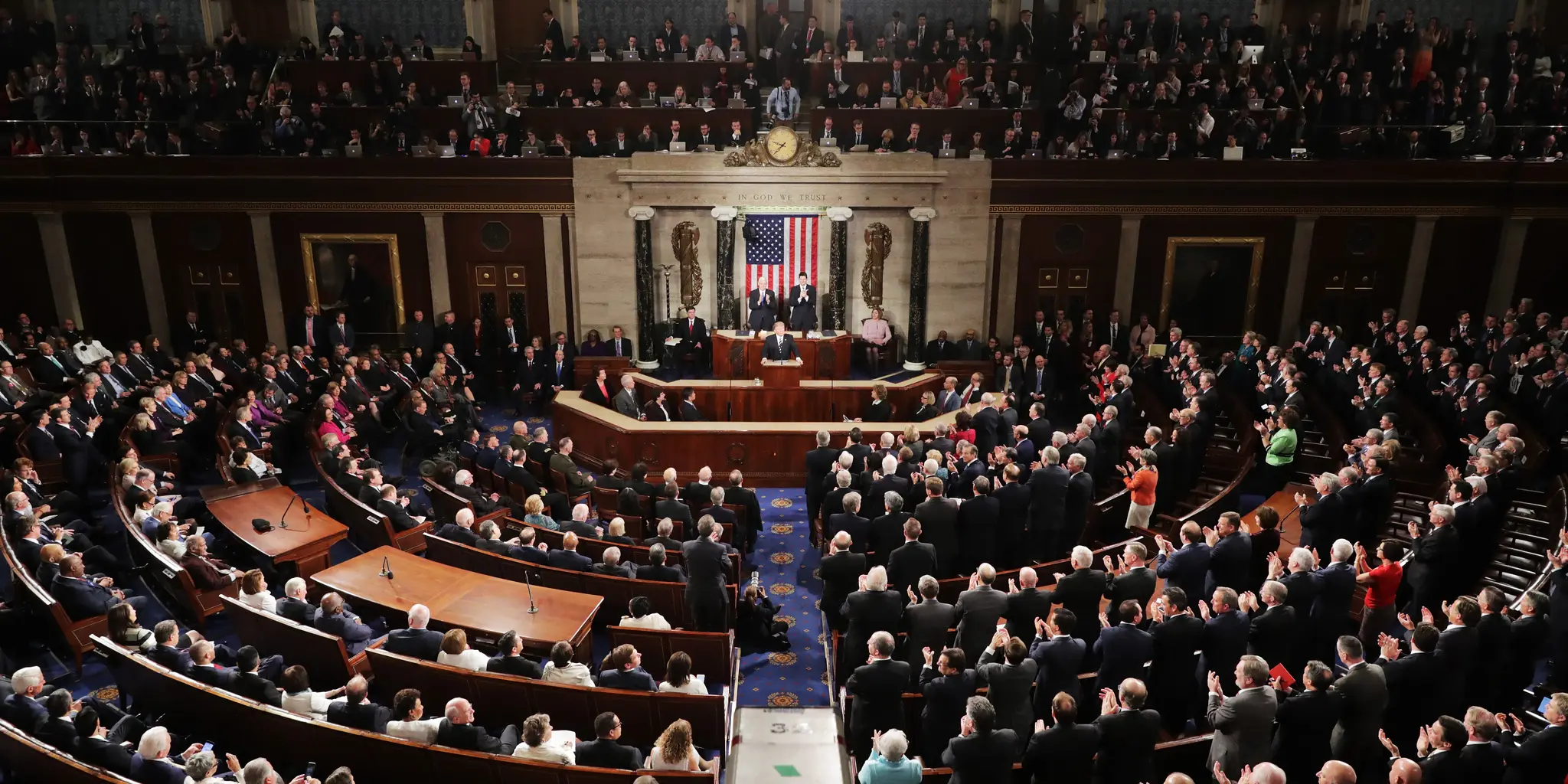
The U.S. House of Representatives has been capped at 435 members since 1929. This permanent limit is not just outdated—it is likely unconstitutional. Article I, Section 2 of the Constitution requires that representatives be apportioned “according to their respective Numbers” based on the decennial census. Historically, Congress expanded the House after each census to maintain proportional representation. Freezing membership at 435 created oversized districts that dilute voter influence, weaken accountability, and deny citizens the fair representation guaranteed by the Constitution.
Legal scholars, including Anoo Vyas (Penn State Law Review, 2025), make clear that this cap violates both originalist and textualist interpretations of the Constitution. Originalist readings show that the Framers intended for Congress to reassess House membership after every census. By ignoring this mandate, Congress effectively bypassed the Constitution through ordinary legislation. Textualist analysis reinforces this: the Apportionment Clause ties representation directly to population. Even from a living Constitution perspective, the House has failed to keep pace with a population increase of over 200 million since 1929, creating systemic inefficiencies and underrepresentation.
A practical, fair solution is the cube-root method, which sets House size equal to the cube root of the national population. Today, this would yield approximately 700 representatives. This approach restores proportional representation, strengthens voter influence, and fulfills the constitutional mandate for periodic reassessment. Unlike politically contentious, ad hoc increases, the cube-root formula is objective, predictable, and scalable for future growth.
Expanding the House is not merely a technical adjustment—it is a moral and democratic imperative. A larger House ensures that representatives serve manageable districts, engage meaningfully with constituents, and remain accountable to the people. Citizens regain confidence that their votes carry weight, and the legislative process benefits from a wider array of perspectives, producing policies that reflect the diverse needs of the nation.
Supporting this reform is essential to restoring the House as the people’s chamber. Civic engagement, public advocacy, and education are critical to generating support and understanding for this issue. By taking action, we can ensure that every American’s voice is heard, that our democracy is strengthened, and that the House reflects the nation it serves.
I urge all concerned parties to consider the constitutional, legal, and practical arguments for increasing House membership. Reforming the House is not only legally necessary but vital to preserving the integrity and effectiveness of our representative democracy. Every citizen deserves fair and proportional representation, and it is our duty to restore the House to its intended role.
Sincerely,https://www.pennstatelawreview.org/print-issues/why-capping-the-house-at-435-is-unconstitutional/
By, Carnell Lamont Oliver,
Published by: Renaldo C. McKenzie, Editor-in-Chief, The Neoliberal
Awsome post and right to the point. I don’t know if this is really the best place to ask but do you folks have any thoughts on where to employ some professional writers? Thx 🙂
Partner with colleges and schools or advertise on social media.